Chery Jaguar Land Rover UK manufacturing talks signal a major shift in Europe’s auto industry as surplus JLR capacity and EV transition open doors for Chinese car production in the UK.
A major report by the financial times indicates that the rapidly developing automaker of China, Chery, might soon produce automobiles at Jaguar Land Rover plants in the United Kingdom. Although the talks are in an exploration phase, the concept underlying the development is that a potentially important change has taken shape in the way Chinese producers introduce a manufacturing presence in Europe.
Jaguar Land Rover’s Surplus Capacity Creates New Opportunities
The shift is amidst Jaguar Land Rover having huge surplus production capacity in the UK, as Jaguar has decided to cease the production of internal combustion engines (ICE) vehicles in December 2025. The future direction of Jaguar will be on the ultra-low-volume high-priced electric cars, and significant sections of the manufacturing premises will have no use.
As Jaguar is yet to switch to all-electric future and volumes, the UK plants of JLR could provide Chery with a ready alternative to produce vehicles in the UK. Strategically, this may assist JLR to optimise the use of the factories and Chery to avoid tariffs, logistics expenses and political pressure that comes with importing Chinese vehicles.
According to the reports, the government of the UK is receptive to such an arrangement. Chery has reportedly been the target of years of courting officials in the bigger plan to resuscitate the domestic vehicle production and achieve the long-term production goals of about 1.3 million vehicles a year by 2035. In 2025, the level of vehicle production in the UK was only 738,000, which underscores the amount of capacity that was unutilised in the industry.
Existing Chery–Jaguar Land Rover Partnership Strengthens Talks
Jaguar Land Rover and Chery are not new to one another. The two firms entered into a joint venture in China way back in 2012 and this is what prompted the formation of Changshu manufacturing plant. In 2024, more recently, JLR licensed the name Freelander as a nameplate to Chery to be used on electric cars built based on Chery platforms.
The relationship that already exists might facilitate negotiations since the companies are willing to proceed with the UK-based manufacturing. It is reported that talks have been made on the visit by the UK Prime Minister Keir Starmer to Beijing, but both the UK and the Chinese media emphasize that no exact agreement has been made.
Chery’s Rapid Growth in the UK and Europe
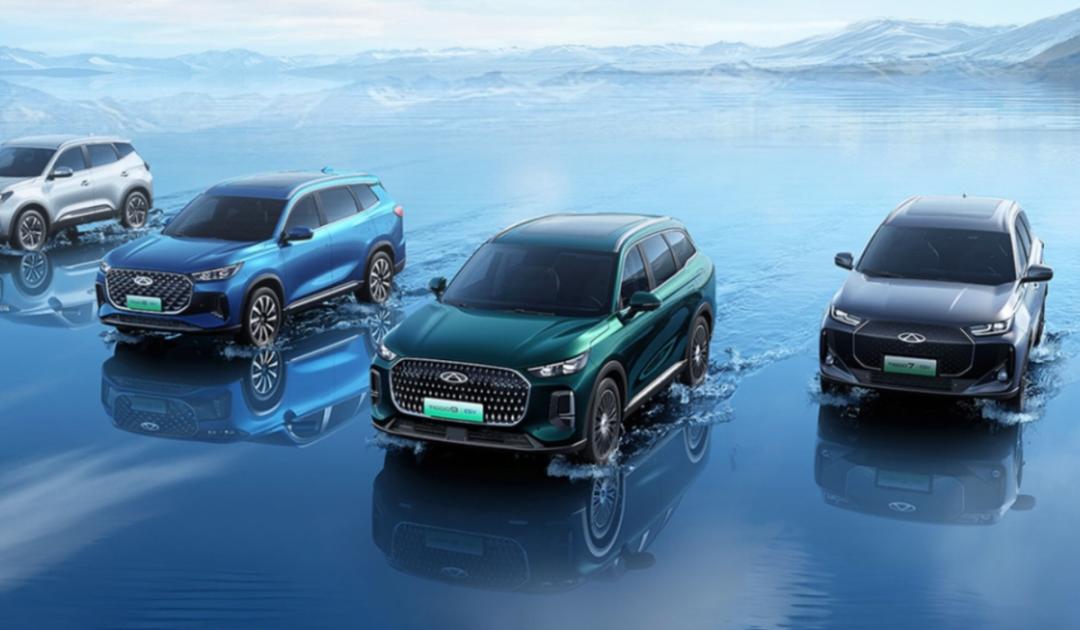
The brands of Chery are already on their way to be successfully popularized in the UK market. Although the Chery-badged vehicle registration was at about 5,500 units in the year 2013, its sub-brand Omoda and Jaecoo recorded more than 48,000 registrations. When put together, the vehicles of Chery Group made more sales than a few well established European and Japanese brands in the UK, which highlights how fast Chinese manufacturers are catching up.
It is possible to establish local production to enhance the position of Chery in the European market even more, since the tariffs on the Chinese-made EVs by the EU will force manufacturers to consider alternative manufacturing approaches. On the strategies, Chery is said to be moving into the Indian market in the near future, through a joint venture with JSW Motors.
Wider Impact of Chery Jaguar Land Rover UK Manufacturing on Europe
This would be an impressive milestone to the European automotive environment in case it is proven true. It would involve a Chinese car manufacturer operating on the old European manufacturing system instead of constructing greenfield plants on its own. The same trends are already being witnessed in other parts of the world where Chinese brands are entering into partnerships or acquiring facilities with international automakers in Spain and South Africa among others.
In the case of Jaguar Land Rover, a subsidiary of Tata Motors, the action may bring economic and operational reprieve to the company in a difficult time of transition that encompasses heavy investments in EV, as well as in the aftermath of an expensive cyberattack at the end of 2025.